Addressing Environmental Concerns in Marion County, Florida
Key Takeaways:
- Awareness of water quality issues in Marion County.
- Air pollution levels exceeding safe standards.
- Importance of sustainable waste management practices.
- Community engagement is vital for environmental conservation.
- Practical steps can be taken by residents to make a difference.
Table of Contents
The Growing Concern: Environmental Issues
With increasing awareness of environmental conservation and sustainability, Marion County residents are becoming more attuned to the environmental challenges facing our region. As one of Florida’s fastest-growing areas and home to unique natural resources, Marion County must balance growth with the protection of the environment that supports our quality of life.
Recent discussions among environmental professionals, community organizations, and local agencies have highlighted several areas that deserve continued attention and proactive stewardship.
Why Environmental Health Matters in Marion County
Marion County is known for its natural beauty, freshwater springs, rivers, forests, and agricultural lands. These resources not only provide recreational opportunities but also support tourism, local businesses, wildlife habitats, and drinking water supplies.
The health of our environment affects every resident. Clean water, clean air, and responsible waste management contribute directly to public health, economic vitality, and the long-term sustainability of our community.
Water Quality and Groundwater Protection
Water quality remains one of the most important environmental concerns in Marion County. Much of the county relies on groundwater from the Floridan Aquifer, a critical source of drinking water for homes and businesses throughout the region.
Population growth, increased development, fertilizer use, stormwater runoff, and aging septic systems can place additional pressure on local water resources. Protecting groundwater quality helps preserve drinking water supplies and supports the springs, rivers, and wetlands that are central to the area’s natural heritage.
Residents can help protect water quality by:
- Limiting the use of fertilizers and pesticides.
- Properly maintaining septic systems.
- Conserving water at home and in landscaping.
- Preventing chemicals, oils, and waste from entering storm drains.
Air Quality and Public Health
Although Marion County generally enjoys good air quality compared to many urban regions, air pollution can still affect local communities. Vehicle emissions, industrial activities, construction projects, and seasonal wildfire smoke can contribute to air quality concerns.
Poor air quality can be especially harmful to children, older adults, and individuals with respiratory conditions such as asthma or chronic obstructive pulmonary disease (COPD).
Community efforts to improve air quality may include:
- Reducing unnecessary vehicle idling.
- Supporting alternative transportation options.
- Planting and preserving trees that help filter pollutants.
- Encouraging energy-efficient practices in homes and businesses.
Sustainable Waste Management
As the population continues to grow, so does the amount of waste generated throughout the county. Effective waste management is essential to reducing environmental impacts and preserving community resources.
Landfills require significant land area and long-term management. Recycling, composting, and reducing waste generation can help extend landfill capacity while reducing pollution and conserving natural resources.
Residents can contribute by:
- Recycling accepted materials properly.
- Reducing single-use plastics when possible.
- Donating reusable items instead of discarding them.
- Participating in community cleanup and recycling events.
Protecting Wildlife and Natural Habitats
Marion County is home to diverse ecosystems that support native plants and wildlife. Continued growth and development can place pressure on these habitats through land conversion, fragmentation, and increased human activity.
Protecting natural areas helps maintain biodiversity, supports ecological balance, and preserves outdoor recreation opportunities for future generations.
Community participation in conservation efforts, responsible land use practices, and habitat restoration projects can play a significant role in protecting local ecosystems.
Community Engagement and Shared Responsibility
Environmental stewardship is a shared responsibility. While government agencies and environmental organizations play important roles, individual actions can collectively have a significant impact.
Residents are encouraged to stay informed about local environmental initiatives, attend public meetings, participate in volunteer programs, and support conservation projects throughout the county.
Small actions taken by thousands of residents can produce meaningful improvements in environmental quality over time.
Looking Toward the Future
The future of Marion County depends on thoughtful planning and responsible environmental management. By protecting water resources, improving air quality, reducing waste, and conserving natural habitats, the community can support sustainable growth while preserving the natural assets that make Marion County a desirable place to live, work, and visit.
Through collaboration, education, and community involvement, residents can help ensure a healthy environment and a strong quality of life for current and future generations.
Call to Action
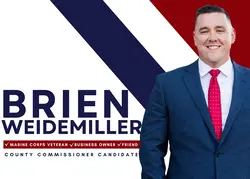
For more information on local environmental initiatives and ways to get involved, visit our website at brienweidemiller.com. Let’s join hands in safeguarding the natural beauty and resources of Marion County Florida for generations to come.
Click to Call: 352-657-1800
FAQ
Q: What are the main environmental concerns in Marion County?
A: The main environmental concerns include water quality, air pollution, and waste management.
Q: How can residents help tackle these environmental issues?
A: Residents can support recycling programs, reduce water usage, and engage in local conservation efforts.
Q: Where can I find more information about local environmental initiatives?
A: More information can be found at brienweidemiller.com.
0 Comments